Ghostland

Ghostland


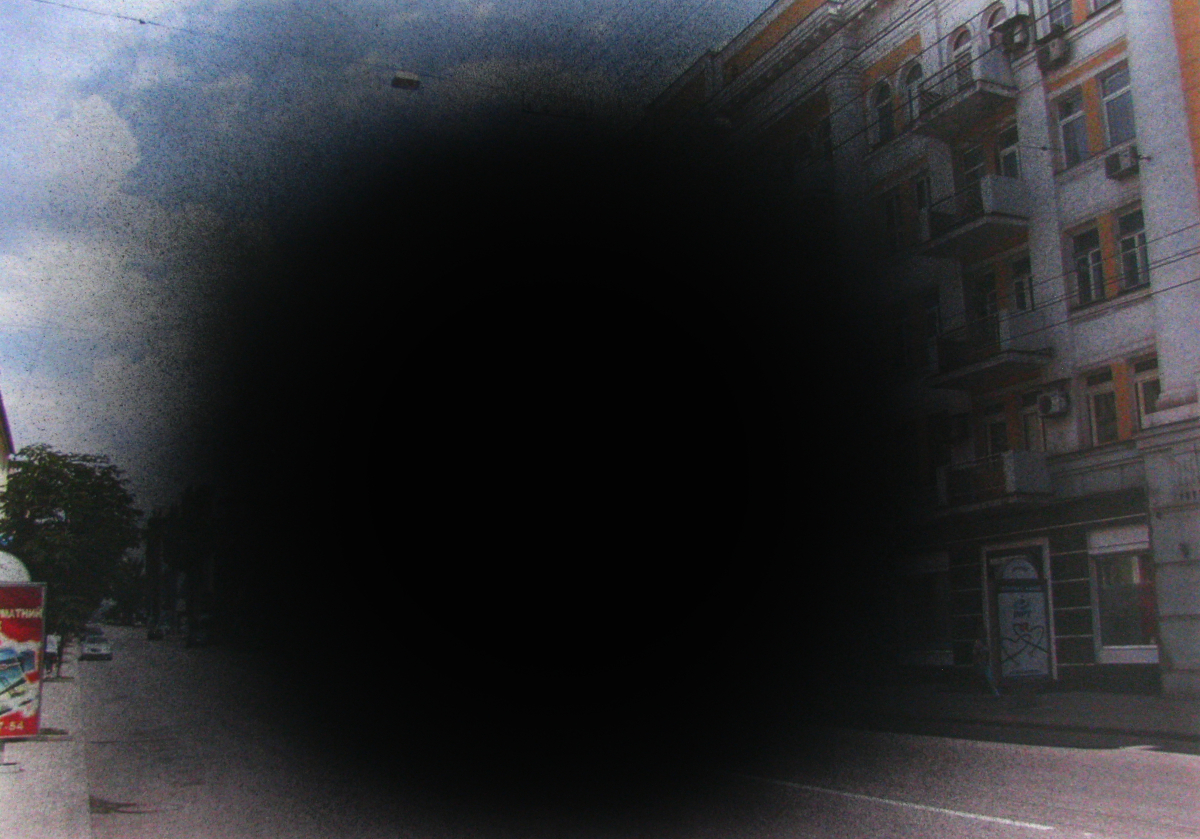
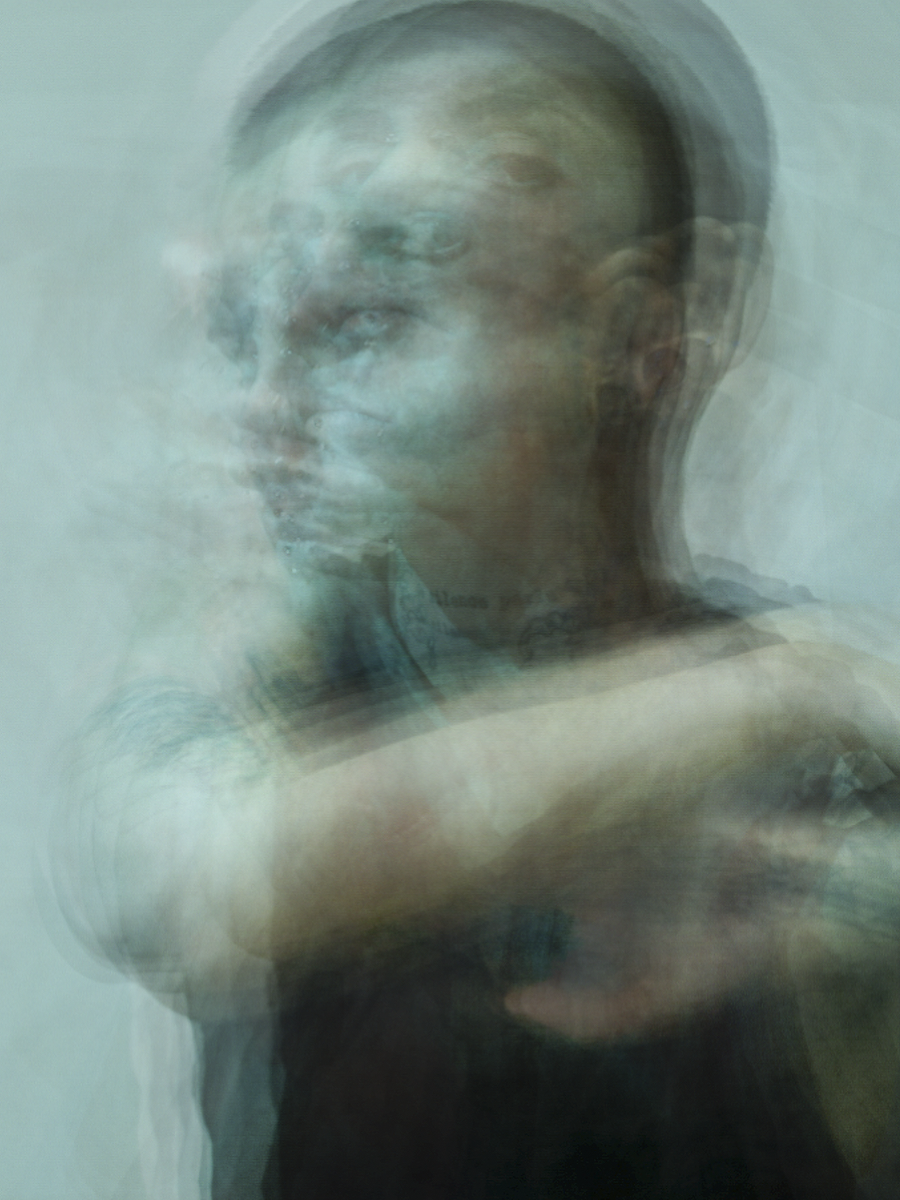
In our hyper-mediated age, reality increasingly seems to be a “spectral” place; a landscape in which experiences, bodies and events are filtered, translated and recoded through luminous surfaces, screens. Ghostland explores this intermediate space in which we live – a space in which the screen is no longer just a technical device, but a real cultural environment, capable of shaping our perceptions and behaviours, designing collective imaginations.

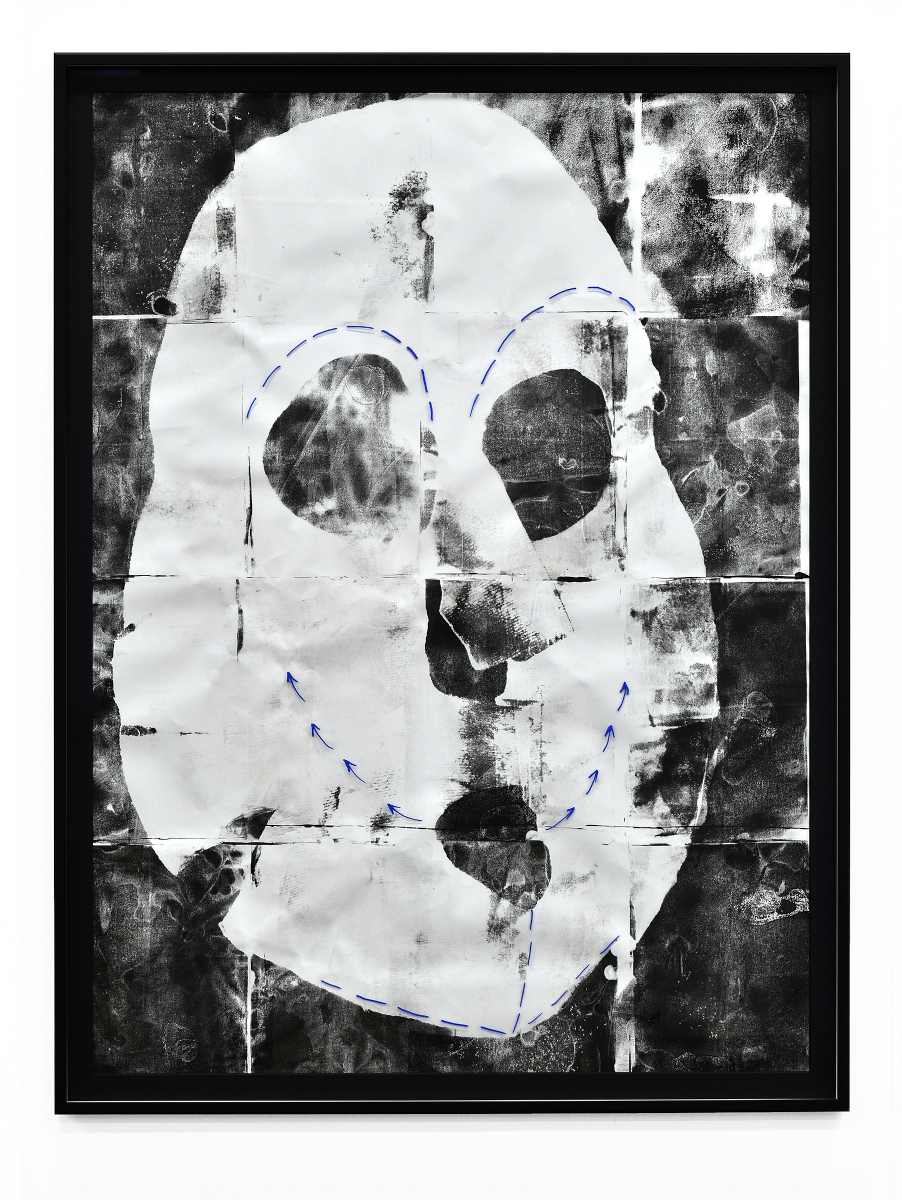
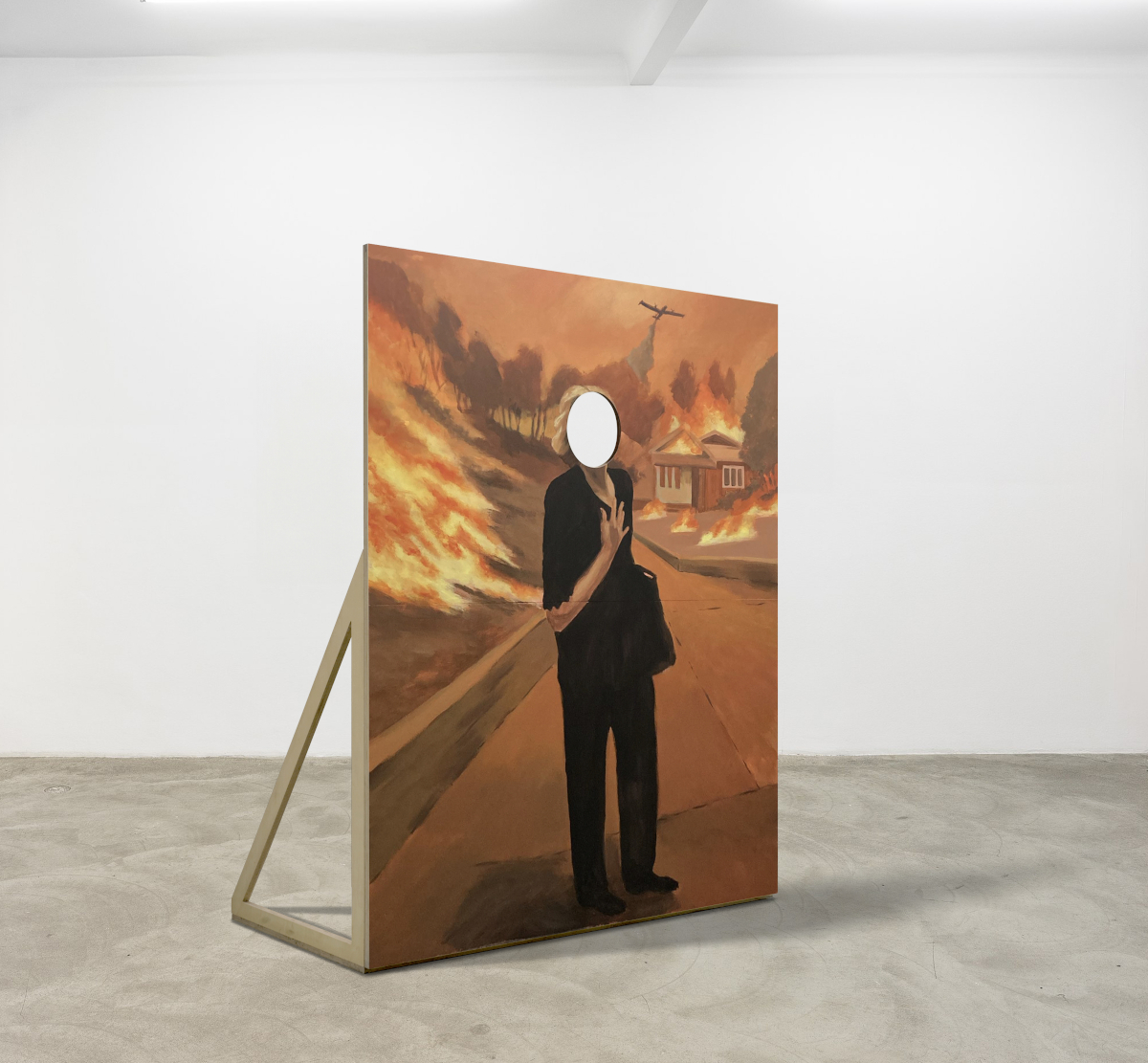
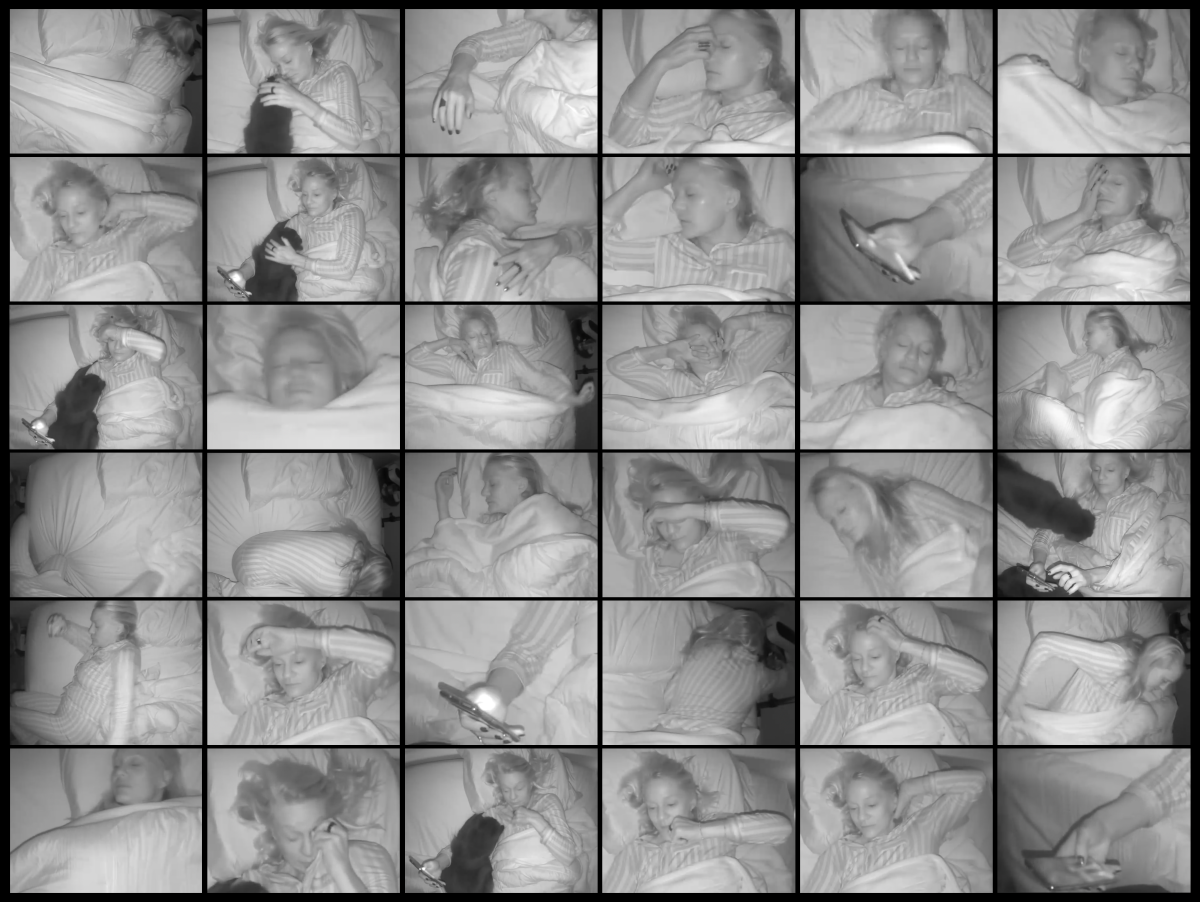
The visual technologies that inhabit our daily lives – surveillance systems, social interfaces, digital archives, artificial intelligence, flows of information from conflict zones – create a complex emotional geography, made up of apparent proximities and profound distances. Here, the face becomes a mirror, the body a manipulable surface, memory an archive constantly being rewritten, functional to imagining a dystopian future. War, disasters, the alteration of the self and a widespread sense of vulnerability require mediation with the aim of relieving pain and multiplying spectacle in the face of a world that is sometimes impossible to understand and hard to decode.

Thus, in this oversaturated visual landscape, the image acts both as a mirror and a barrier; it reflects desires, fears and aspirations, but also exposes us to forms of control and a progressive anaesthetisation of the gaze.

The screen becomes an ambiguous place where reality breaks down, recomposes and reinvents itself, producing hybrid identities, altered memories and narratives that oscillate between reality and fiction.

Ghostland offers a reflection on how we observe others and ourselves, how algorithms monitor us, how we construct a sense of danger and trust in a future yet to be built.

Through experimental artistic practices, the collective exhibition invites us to recognise the contemporary condition of constant oscillation between presence and absence, between materiality and simulacrum, which characterises our present and our near future. Finally, it is an invitation to reflect not only on what we see but above all on what remains outside our field of vision: the blind spots, the omissions, the spaces where reality continues to elude us or reveal itself only through the frame of the screen.


Alisa Martynova (1994, Orenburg, Russia) is a documentary photographer based in Florence, Italy. Through a poetic, research-driven approach, she explores migration, technology, identity, and the cyborg as a contemporary myth using photography and immersive installations. Her work has been exhibited internationally and awarded by World Press PhotoCanon Young Photographers, and LensCulture Emerging Talent. She is developing the project ANIMA, supported by Strategia Fotografia and institutions like Ars Electronica and FACT Liverpool .


Carolyn Drake works on long term photo-based projects seeking to interrogate dominant historical narratives and creatively reimagine them.  She is interested in collapsing the traditional divide between author and subject, the real and the imaginary, challenging entrenched binaries. She is the recipient of a Guggenheim fellowship, a Fulbright fellowship in Ukraine, and the Henri Cartier Bresson Award, among other honors. Drake’s work is held in the permanent collections of SFMOMA, the Museum of Contemporary Photography in Chicago, the High Museum in Atlanta, the Museum of Fine Arts in Houston. She is represented by Magnum Photos and Yancey Richardson Gallery and is based in Vallejo, California.


Indrė Šerpytytė (b. 1983, Palanga, Lithuania) is an artist based in London, UK. Šerpytytė  produces conceptual work exploring issues of history, memory and culture. Recent solo  exhibitions include at Kunsthall 3.14, Bergen, Norway (2021), Rugby Art Gallery and  Museum, UK and Venice Biennale, Italy (both 2019). Recent group exhibitions include at Chobi Mela – International Festival of Photography, Dhaka, Bangladesh (2026), Sainsbury Centre, Norwich, UK (2025) and Imperial War Museum, London (2020).


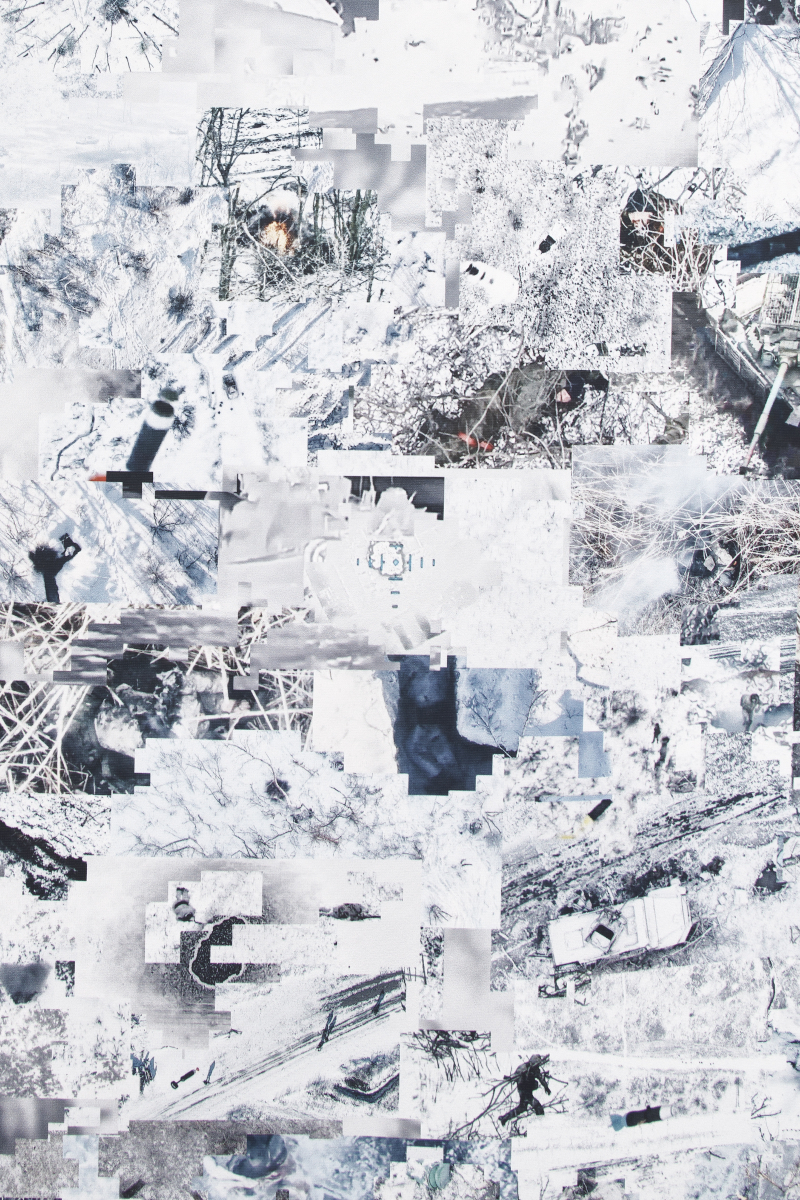
Mykola Ridnyi (born in Kharkiv, Ukraine) is an artist, filmmaker and curator. He lives and works in Berlin where he holds a guest professorship in the Lensbased class at the Berlin University of the Arts (UdK).

In recent films and images, he experiments with nonlinear montage, collage of documentary and fiction. His way of reflecting social and political reality draws on the contrast between fragility and resilience of individual stories and collective histories. The body of his work created within the last decade addresses the question of how to talk about violence and war but not multiply its brutality in the visual language.

His works have been presented at various institutions and festivals across Europe, including the Schinkel Pavillon in Berlin, Albertinum in Dresden, Museum of Modern Art in Warsaw, Bonniers Konsthall in Stockholm, the 56-th Venice Biennale, Kyiv biennale and others.


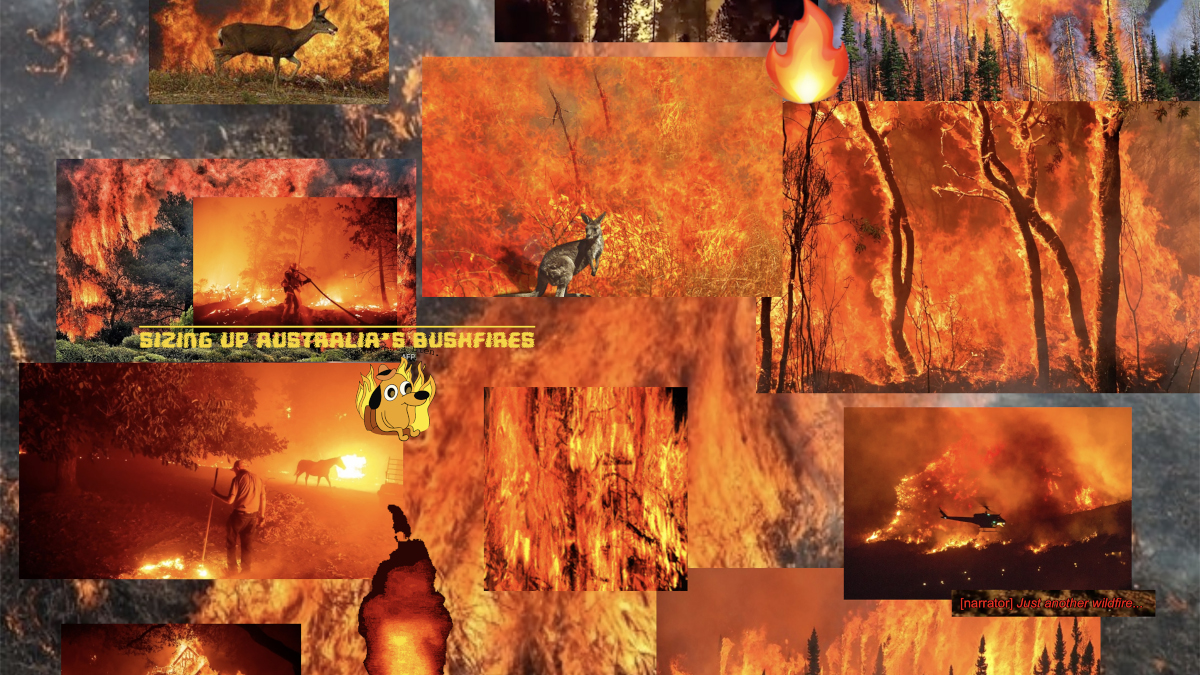
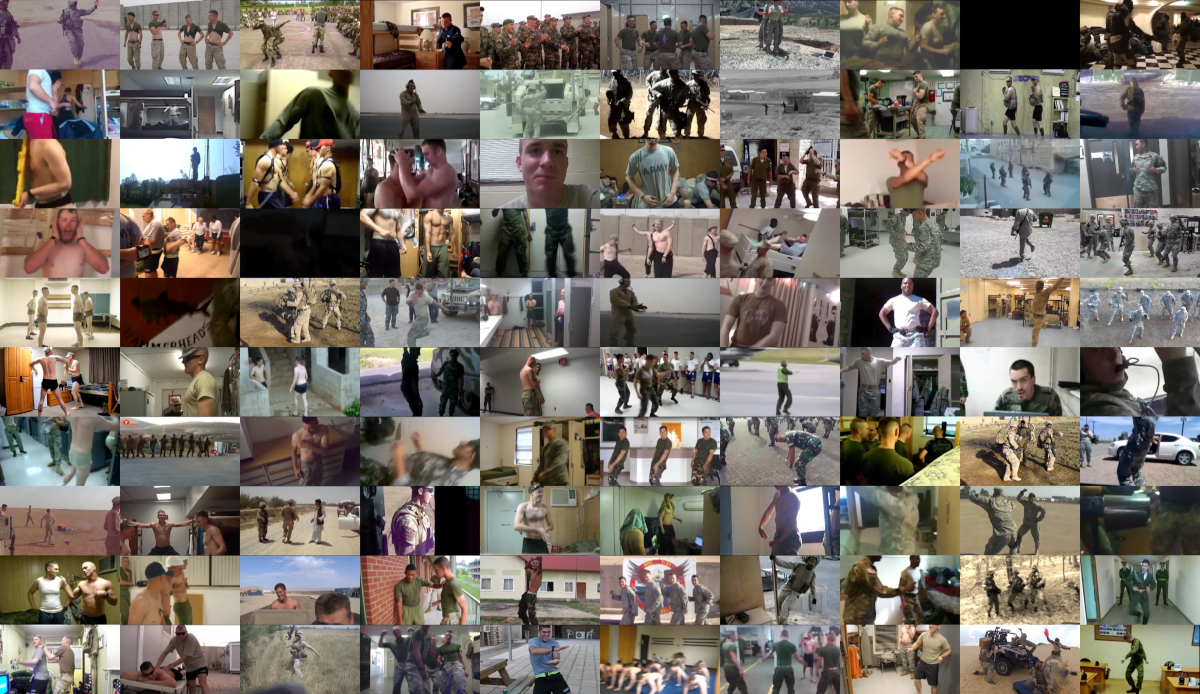
Sara Bezovšek is a new media artist working in the fields of internet art, experimental film and graphic design. Her artistic practice is characterized by reappropriation of online and pop cultural materials. Using a dense visual language of references, she taps into the collective imagery and constructs engaging narratives that are both a critique and a celebration of the highly saturated online media landscapes we navigate daily.

She has participated in numerous exhibitions and film screenings worldwide, including venues in Slovenia (Aksioma, Kino Šiška, Ravnikar Gallery Space, MFRU, Osmo/za, DobraVaga, P74, SCCA-Ljubljana, MSUM, BIO, Kiblix, IZIS), Switzerland (Fotomuseum Winterthur), Poland (Zachęta National Gallery of Art, Ujazdowski Castle Centre for Contemporary Art), Austria (viennacontemporary, Angewandte Interdisciplinary Lab), Spain (MMMAD Festival, Fundación Foto Colectania), Germany (panke.gallery), Sweden (NSFW/SVILOVA), Italy (Metronom, Foto Forum, SPRINT Milano), Serbia (Danube Dialogues Festival), as well as in the Netherlands, Mexico, and online on platforms such as Open Systems (Singapore Art Museum), Are You For Real (ifa – Institut für Auslandsbeziehungen), Feral File, and The Wrong Biennale. Her work has also been featured on platforms such as Do Not Research, Linked Spheres, and ETC magazine, among others.

She is based in Ljubljana, Slovenia, and holds an MFA from the Academy of Fine Arts and Design at the University of Ljubljana. In 2018, she received the Prešeren Award for Students and was nominated for the OHO Young Artist Award in 2022. She received the Grand Prix at the Ljubljana Short Film Festival (FeKK) in 2021, the Vesna Award for Best Experimental Film at the Festival of Slovenian Film in 2022, and a Special Mention at the same festival in 2024.  

Since 2023, she has been working on a project for the research platform [permanent beta] of the gallery Fotomuseum Winterthur. She is also part of the curatorial team behind KRES, an exhibition series she co-initiated in 2023 with Dorijan Šiško and Lara Mejač, produced by Projekt Atol.


Vaste Programme is an artistic duo born in 2017 from the encounter between Giulia Vigna (Latina, 1992) and Leonardo Magrelli (Rome, 1989). Their research focuses mainly on the issues of climate change and the ways in which technology is used by the mass public. Both themes are frequently analyzed through their presence within the iconosphere. Images, pictures and the visual field become a constant reference, explored through post-photographic and installative approaches, using practices of appropriation, re-signification, detournement and quotation, often adding to it a veil of bitter irony.


Visvaldas Morkevičius (1990) is a Lithuanian artist who works primarily with  photography, exploring the emotional and psychological dimensions of contemporary life.  Received his MA in Photography at ECAL, Switzerland (2023–2025), he employs  photography and interdisciplinary media to delve into themes of identity,  hyperconnectivity, and resilience. His practice critically examines how media saturation,  technology, and systemic forces shape perception, memory, and agency. 


Within installations that unfold in space, Zoé Aubry develops a critical, militant and experimental practice through photography, exploring issues including attention economy, resistance to systems of power, and media, and digital oppression. 

She holds a BA in photography from ECAL and a MA in contemporary artistic practices from HEAD—Genève. Her work has been exhibited internationally, notably at the Fotomuseum, C/O Berlin, Finnish Museum of Photography, CPG, MBAL, as well as at several festivals. Her book #Ingrid (RVBBOOKS & Gato Negro) was, shortlisted in Arles and, won the Most Beautiful Swiss Book prize. 


exhibition venue

Palazzo Da Mosto
via Mari, 7
Reggio Emilia

opening hours

24 aprile – 22 giugno
giornate inaugurali
24 aprile › 19-23
25 aprile › 10-23
26 aprile › 10-23
27 aprile › 10-20

dal 1 maggio al 8 giugno
giovedì › 10-13/15-20
venerdì, sabato, domenica e festivi › 10-20

Condividi questa mostra!