
Emilia Martin
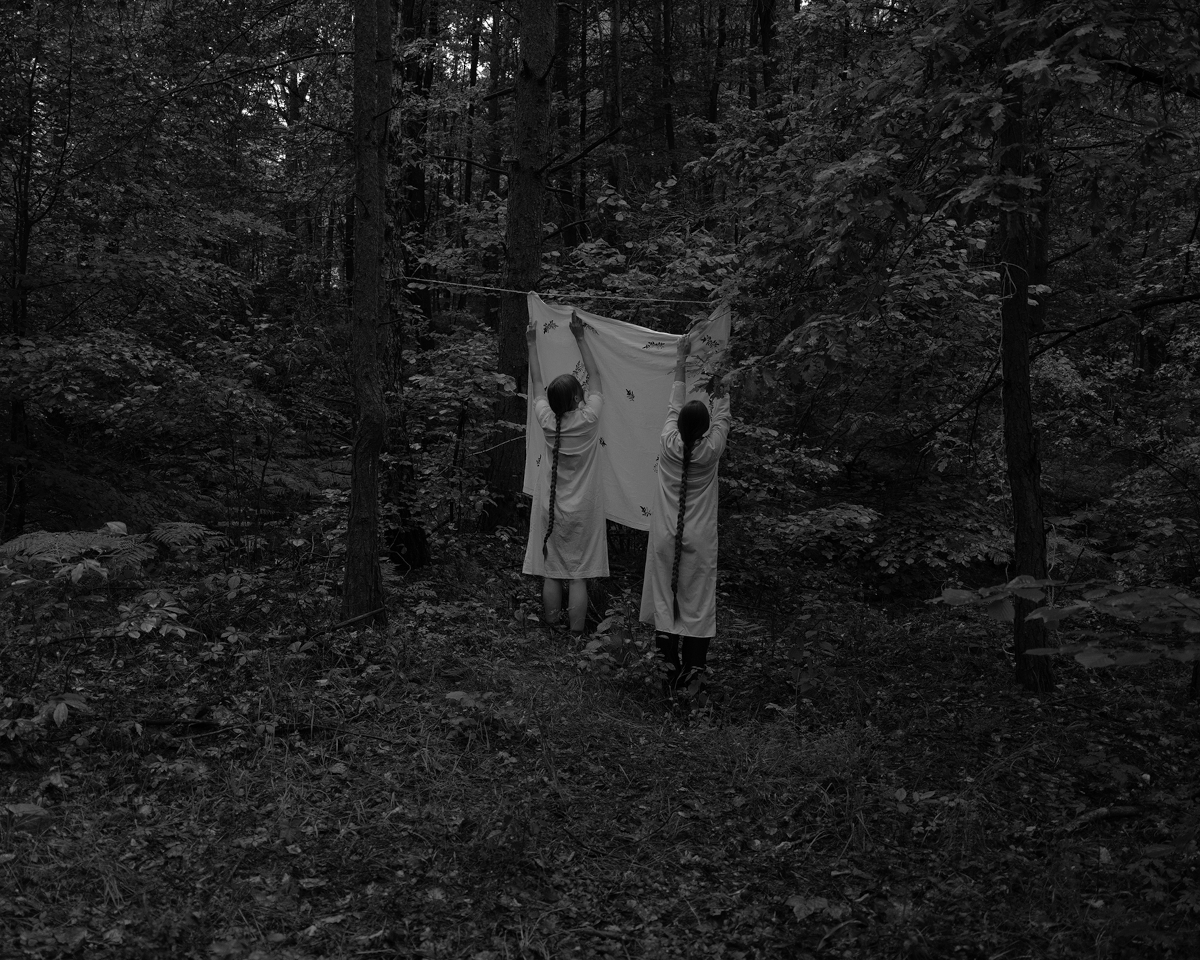
Emilia Martin, godsips, Poland, 2025, digital medium format photograph, courtesy of the artist
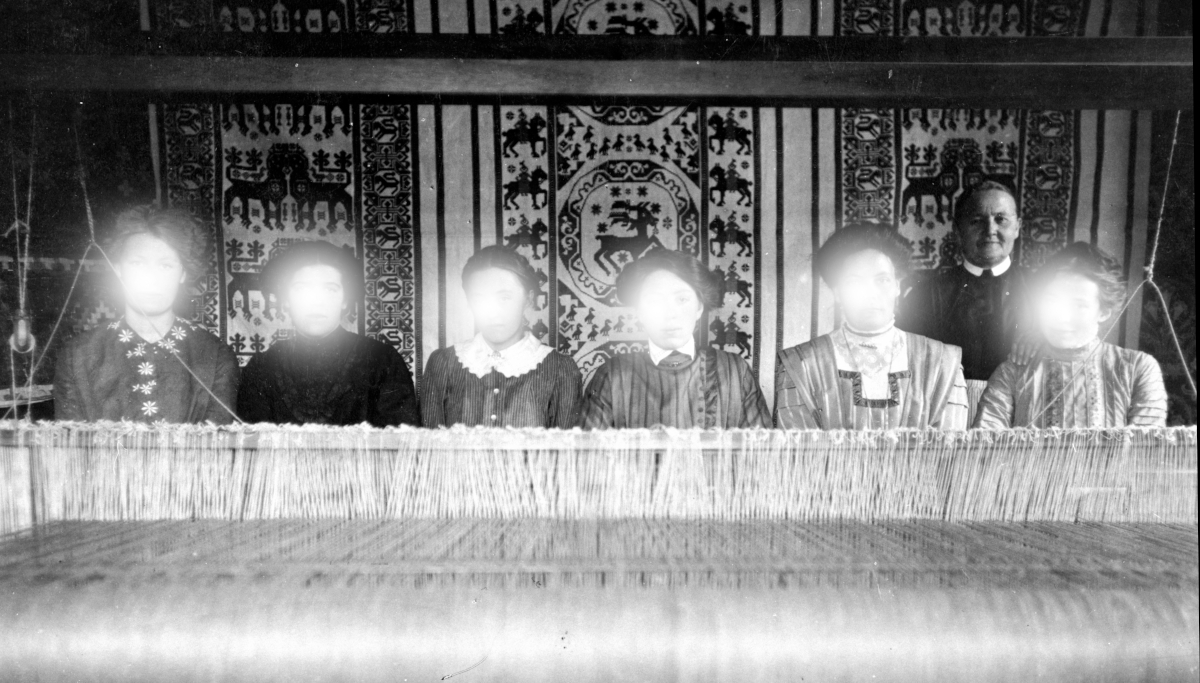
Emilia Martin, I don’t much like my daughter sewing, Sweden, 2024, a fragment of a photograph from the archive of the Landskrona museum, courtesy of the artist; Landskrona Museum Photographic Archive
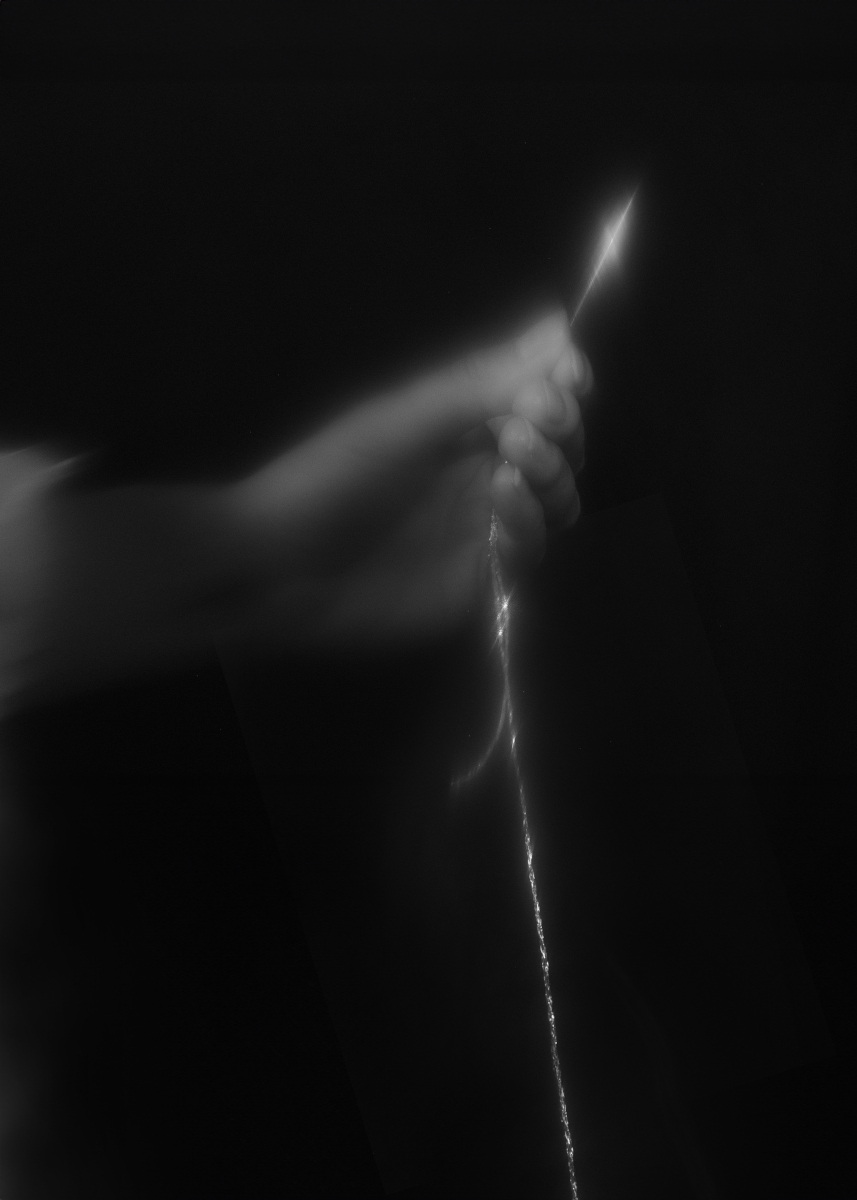
Emilia Martin, to repair damage, Netherlands, 2025, medium format photograph, courtesy of the artist
Emilia Martin. The Serpent’s thread
As a child, I spent countless hours observing my beloved grandmother, a Polish countryside textile worker, stitching scraps of material into objects that were new, soft, and enduring. Like a storyteller weaving elements into a tale, her textiles were composed of many fibres, many threads, and many hands reaching back through time. Never formally educated to write due to the gender politics of her era, textile-making became her language, carrying the knowledge of generations of women before me. When she passed away, her works, perceived as having no value, were discarded or lost.
Inspired by this missing archive of her life’s work, I began tracing other histories of women whose textiles serve as ghosts where records fall silent, continuing an intergenerational legacy of weaving scraps into stories.
“The serpent’s thread” follows fragmented records and folklore surrounding the five Andersson sisters, who lived in the small Swedish village of Åsmundtorp at the turn of the 20th century. Their history, partly documented and partly mythologised, revolves around the textiles they produced as elaborate dowries – objects meant to demonstrate a woman’s skill, diligence, and moral worth, and to represent her value as a potential future wife.
Despite the intricacy of their work, only one of the sisters ever married. The remaining textiles – complex, unused, and perfectly preserved – form a parallel to my grandmother’s lost works. Together, they exist as an ambiguous archive of domestic labour and the societal expectations placed upon women.
The sisters’ unconventional lives opened space for speculation and local legends: some claimed they were rebellious lesbians, driving extravagant cars while smoking cigars; others described them as solitary spinsters, pitied for their loneliness; some believed their textiles carried mysterious spells.
Like a textile containing many threads, “the serpent’s thread” serves as a visual retelling that merges documentation with myth-making, history with fiction. Through archival images and documents, staged compositions, and photographic interventions printed and layered through textile processes, the work is reconstructed from multiple (hi)stories stitched together: those of women makers, rebels, and those whose voices were recorded, devalued, or lost.